Do you know orange came to be perpetually linked to America’s most iconic moving and self-storage company?
Soon after U-Haul® was born in 1945, founder and WWII Navy veteran L.S. “Sam” Shoen was towing one of the Company’s first trailers through a four-way intersection. Suddenly, out of nowhere, an oncoming driver smashed into it.
The driver stated afterward that he hadn’t seen the trailer. It was painted black.
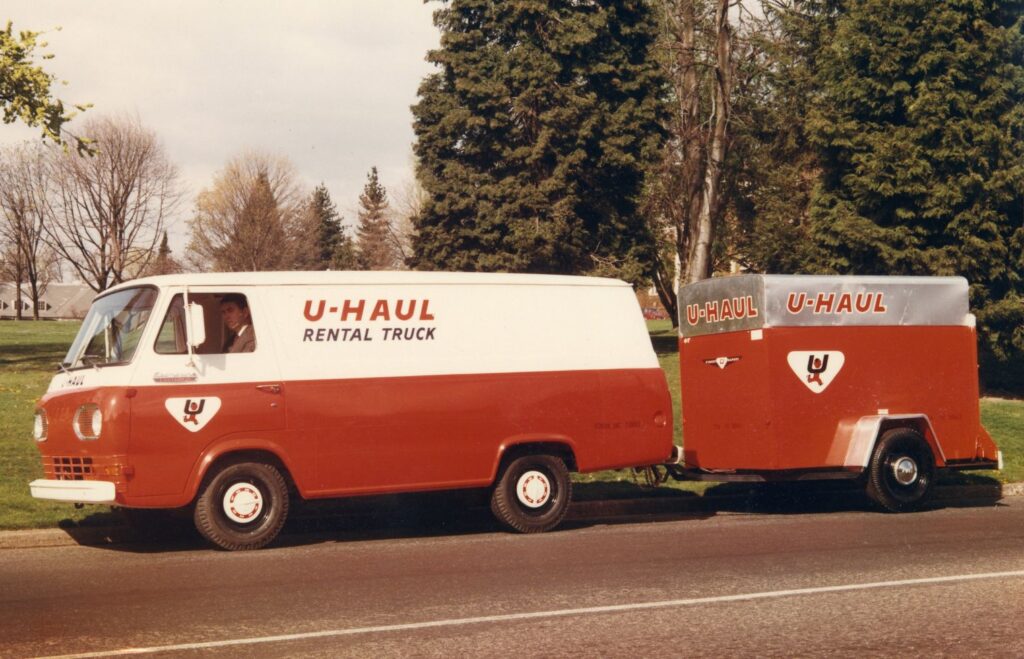
By 1946, U-Haul would adopt a new color. One that was bright and unmistakenly noticeable. W.P. Fuller & Co. in Portland, Ore., produced the first orange paint for U-Haul that year.
Marketing Magic
Only afterward did anyone notice what else orange would do.
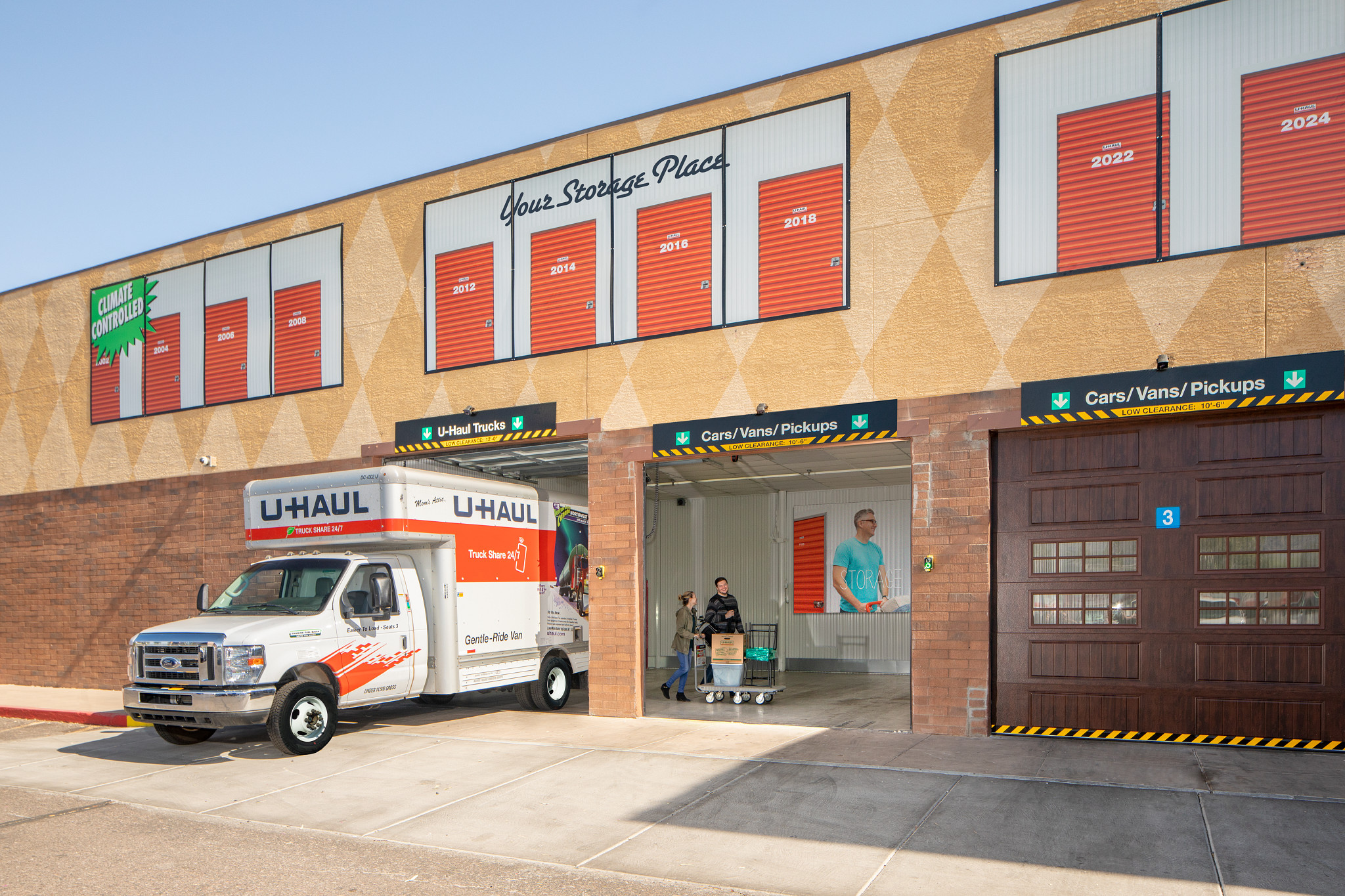
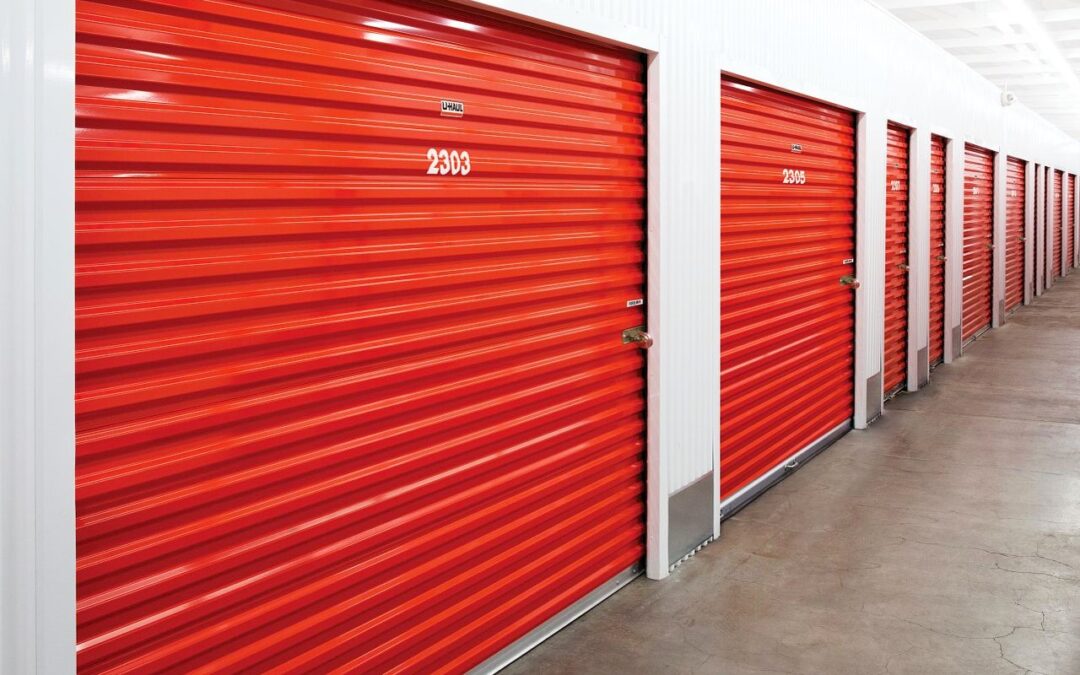
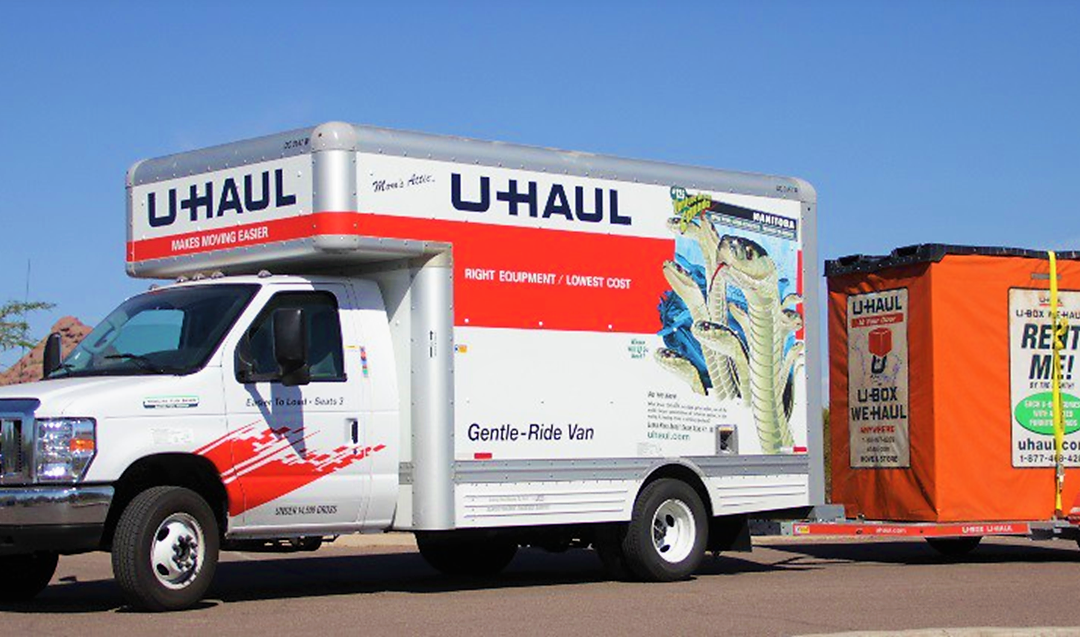
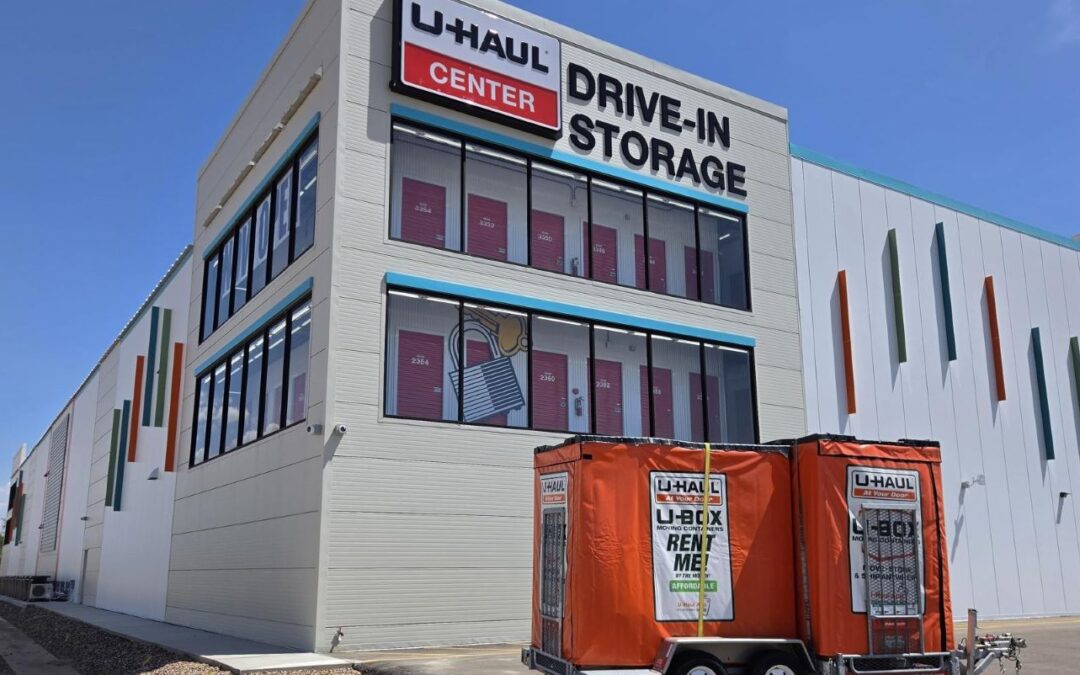
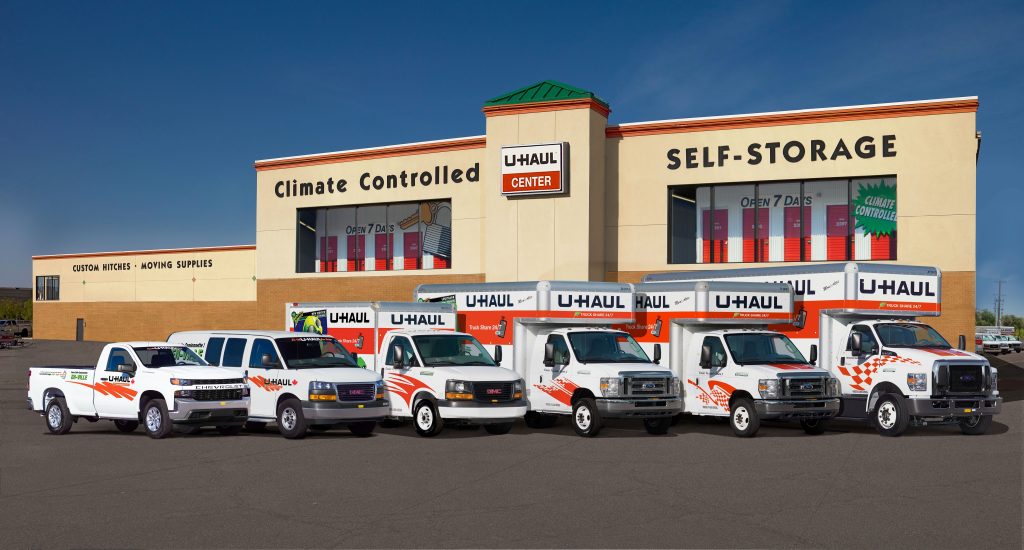
Whether it was on self-storage doors visible through display windows at a U-Haul center, or on trucks and trailers rolling down the highway, the color essentially advertised itself. Orange did the marketing for U-Haul before it had a marketing department or budget.
Orange nearly didn’t survive its early success in the 1940s. From 1954-55, with its trailer fleet growing rapidly, U-Haul considered alternatives: green and white; blue and white; and even a red-white-blue scheme, according to Company archives.
But the core color held. Orange would remain the signature of all things U-Haul in the moving and storage industry going forward: storage, trucks, trailers, dollies, and so much more.
U-Haul effectively chose orange twice: once out of necessity, and once on purpose. In 2026, U-Haul celebrated 80 years of orange as its brand color.
A Need Arises
U-Haul didn’t start as a color story, but rather a logistics problem.
Shoen was discharged from the Navy in 1945. He and his wife, fellow U-Haul founder Anna Mary Carty Shoen, needed to move their young family from the Los Angeles area to the town of Ridgefield, Wash., a northern suburb of Portland and home to the Carty Family Ranch.
But the Shoens ran into the same issue as everyone else who had tried to arrange a one-way move on a tight budget. You could rent a trailer, but you had to return it to the site where you got it. Nobody let you drop it off somewhere else.
Addressing that market oversight became the Shoens’ business idea during their drive up the California coast. By the end of 1945, about 30 U-Haul trailers were parked at service stations in Portland, Seattle and Vancouver, Wash.
This network of U-Haul dealers — independent small businesses serving as rental sites and earning commissions off customer transactions — expanded through written introductory letters presented by customers to service-station owners. This required a remarkable level of trust shared by the Greatest Generation to accept the trailer being dropped off, rent it to the next customer, and return a portion of the profits to U-Haul.
The $2-a-day rate was stenciled on the trailers. Visibility was initially an afterthought. Solving a problem was the priority.
Two Products, One Industry
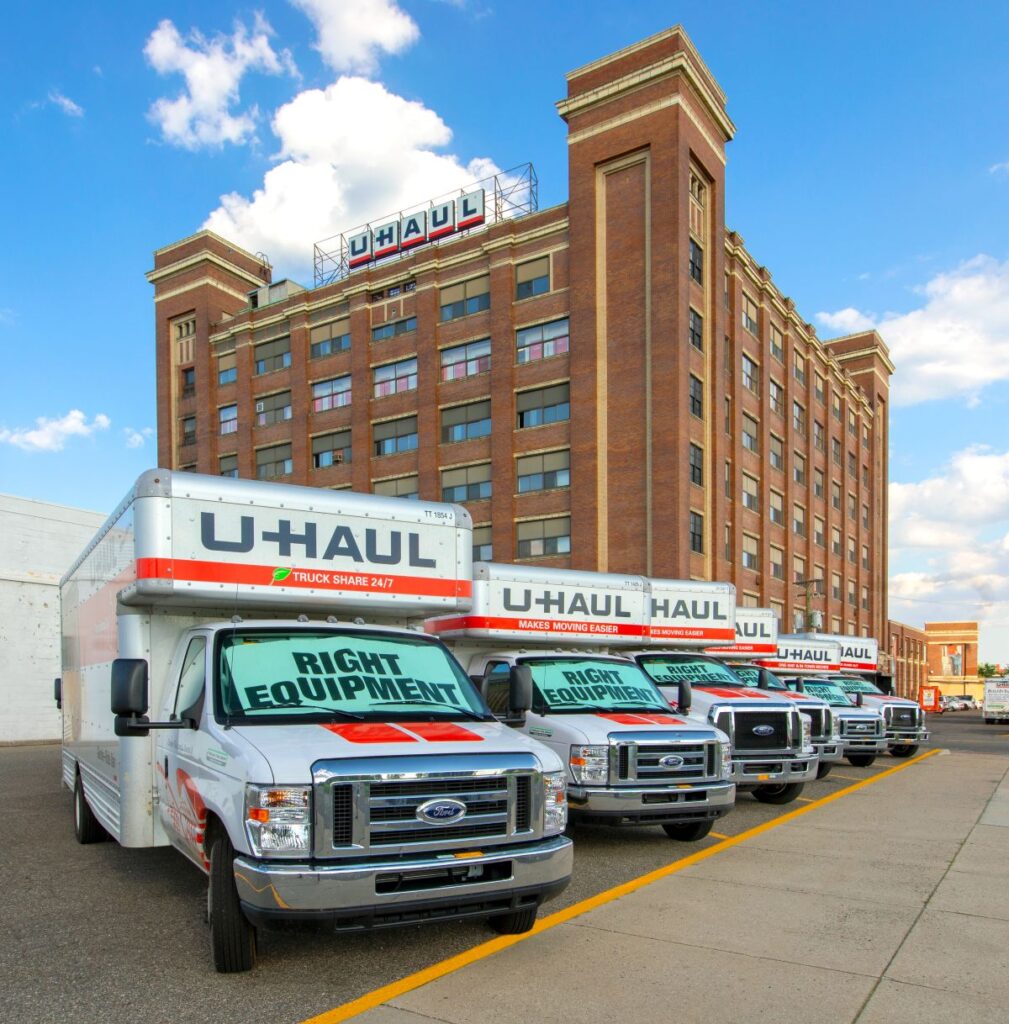
By 1967, eight years after U-Haul had introduced box trucks to its rental equipment fleet, the Company had outgrown its Pacific Northwest roots. U-Haul International relocated its headquarters to Phoenix, a city that would become as identified with U-Haul as the orange on its moving and storage products.
Moving and self-storage have always been intertwined, two offerings under one umbrella, as American history corroborates. The trailblazing E.E. Ward® Moving & Storage Co., founded as the Ward Transfer Line in 1881 and renamed the E.E. Ward Transfer and Storage Co. in 1899, is recognized by the U.S. Department of Commerce as the oldest continuously operating Black-owned business in the U.S.
Other pioneers like Seven Santini Brothers®, a moving and storage outfit founded in 1905 by Italian immigrants in the Bronx, N.Y., grew the industry in major American markets. By 1920, the industry had established a trade group that eventually became known as the American Moving & Storage Association.
U-Haul would join a long line of full-service providers in the moving and storage industry by making traditional self-storage units available to customers in the 1970s.
Orange is Everywhere
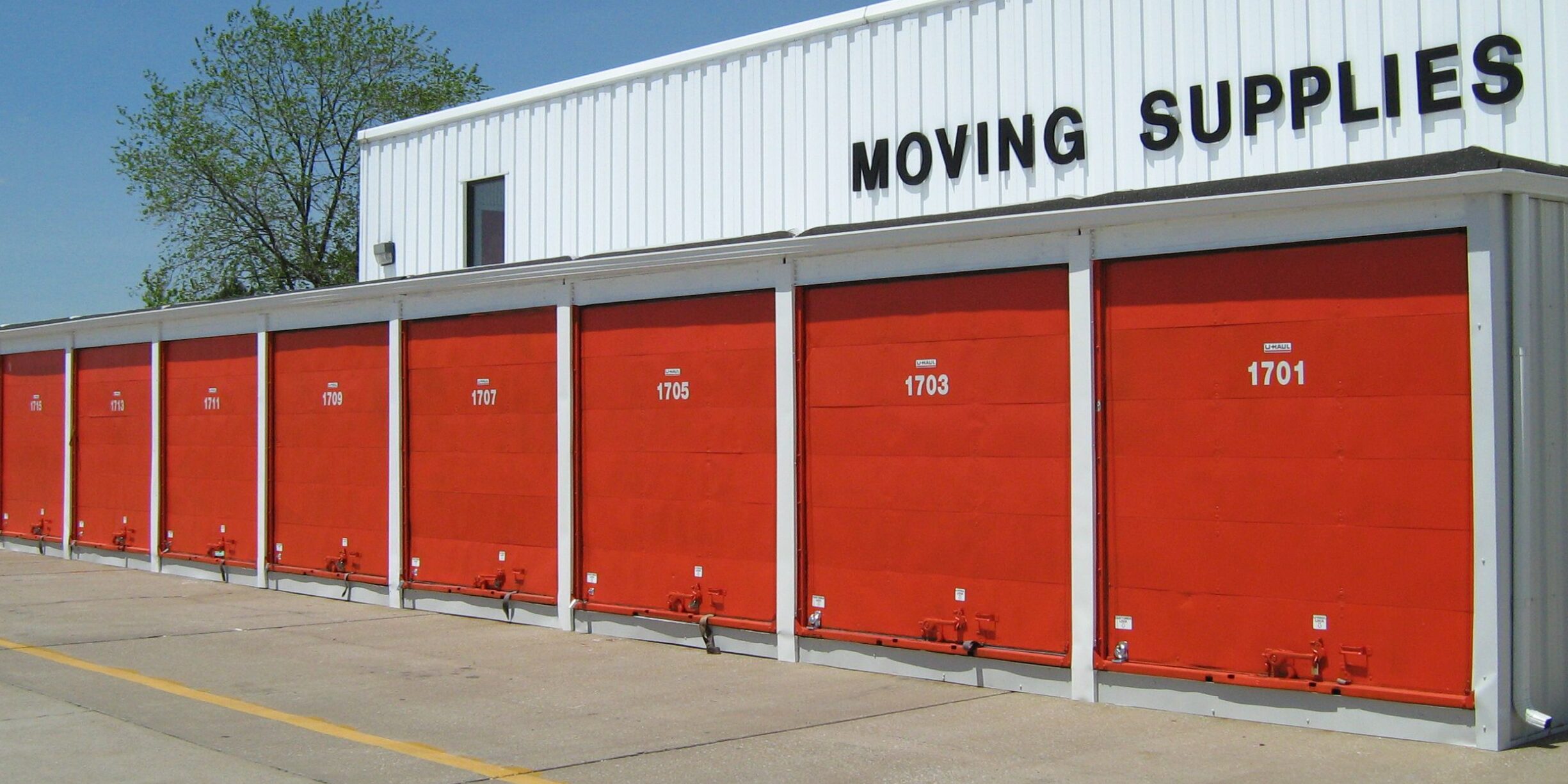
Before U-Haul incorporated its hallmark color on storage doors, a small business in nearby Tempe, Ariz., was already doing so in 1969. A new U-Store-It® location had orange doors that were visible from the street, as U-Haul CEO Joe Shoen recounts on page 13 of his book “You and Me — The Rest of the Story.”
This piqued the curiosity of Shoen, son of the Company’s founders, and colleague Darrell Hamby. They scouted the competitor’s location. Soon after, Shoen and U-Haul pioneer Tom Safford visited different cities like Atlanta, Austin, San Antonio and Dallas where companies were offering storage in greater volume than Phoenix.
Shoen went on to write his thesis on self-storage at Harvard Business School. He realized storage needed to be a widely accessible U-Haul offering if the Company was to become the moving and storage industry leader.
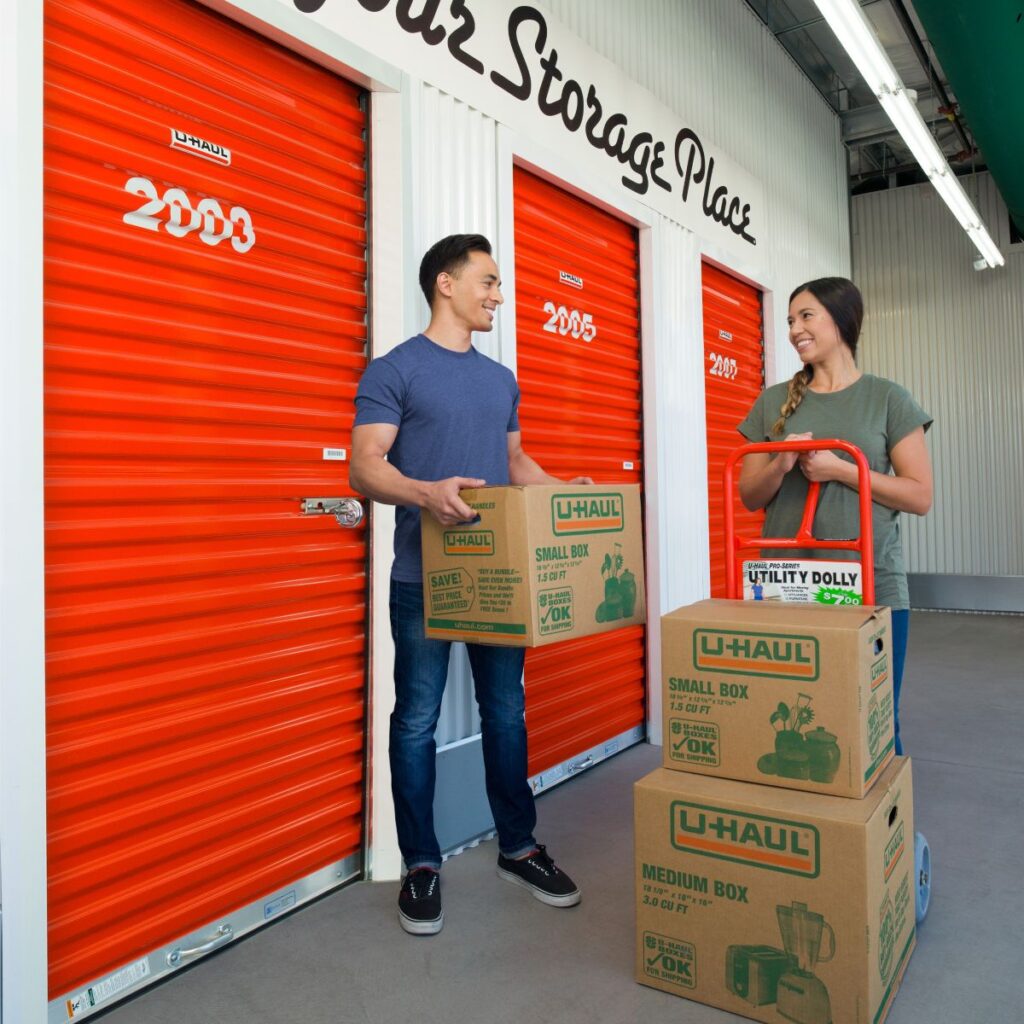
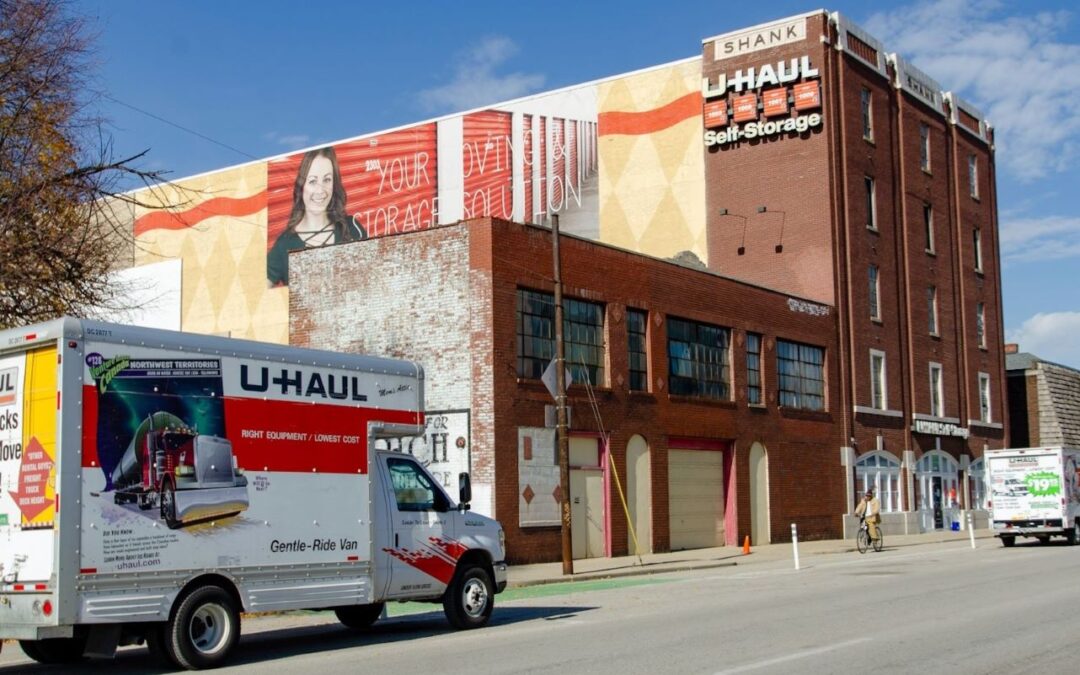
And that’s precisely what happened. By 1980, U-Haul had built 60,000 storage rooms while breathing new life into existing and often vacated buildings through its ecofriendly adaptive reuse program. U-Haul moving, storage and retail facilities emerged at the sites of a former limousine garage in Manhattan; a peanut-processing plant in San Francisco; a cigar factory in Tampa; and a brewery in Cleveland, among countless other orange-clad locations where blight was being removed from communities by a trusted, need-based business.
Today, U-Haul offers well over 1 million rentable storage units and 100 million square feet of self-storage at owned and managed facilities.
Why Color Still Matters
Few brand decisions made in the first years of a company remain recognizable more than eight decades later. U-Haul chose orange, and orange chose U-Haul.
History explains why a color became more important than a paint choice. It was noticeable. It was distinguishing. It turned dealer lots and Company stores into advertising locations. It provided a singular identity. It linked U-Haul storage, trucks, trailers, moving supplies, U-Box portable moving and storage containers, and other products in the consumer’s eye.
Orange became the backdrop for North America’s largest moving and storage canvas. Countless other companies also utilize orange for their storage doors, making it the most identifiable color of the moving and storage industry. It is literally everywhere.
U-Haul Company’s 35,000-plus Team Members and 23,000-plus independent local dealers like to say, “We bleed orange!”
Now you know why.