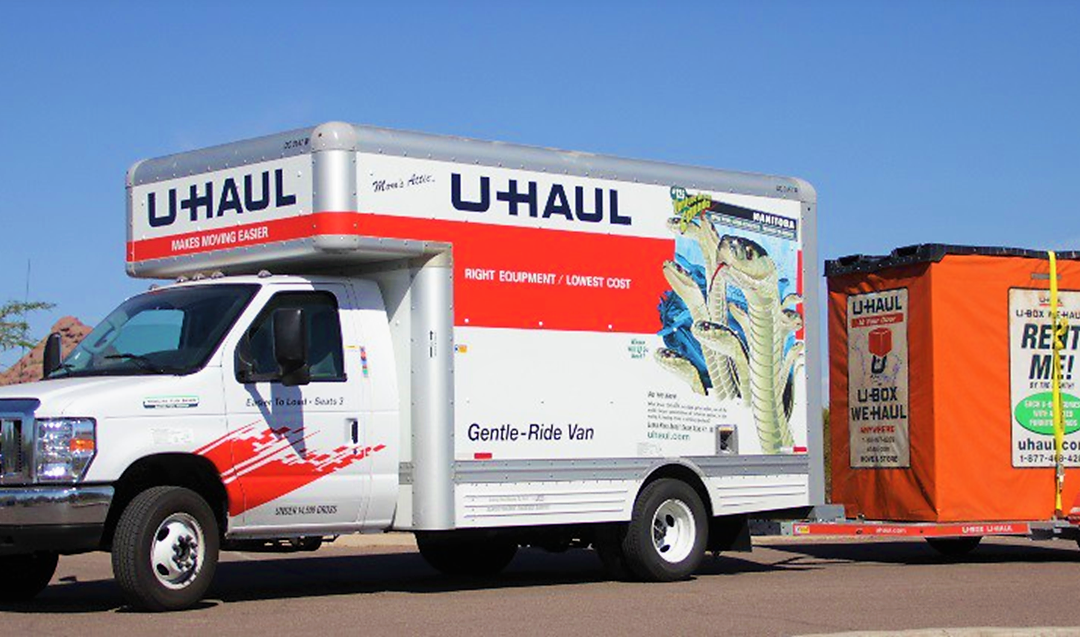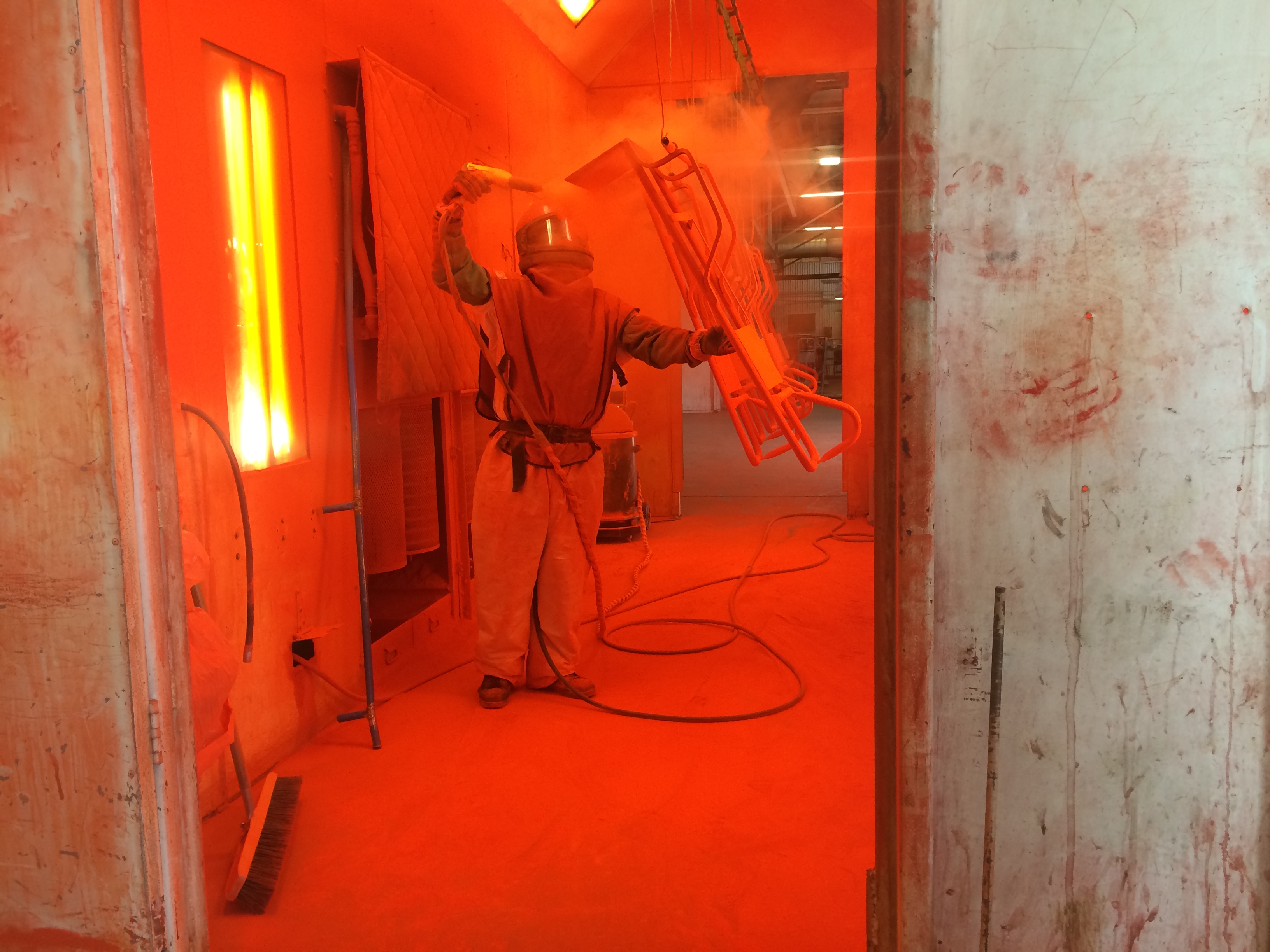
Since U-Haul’s initial founding by Sam Shoen and Anna Mary Carty Shoen in 1945, we have manufactured our own moving equipment. Seeing a need for do-it-yourself movers, Sam and Anna Mary started with the U-Haul Trailer, designed from the ground up. Now, although the company has grown to do so much more, manufacturing of our equipment is still done in-house, in America.
“Our products are designed, engineered and tested prior to the manufacturing process,” says Jeff Stewart, Director of Manufacturing. Going through these steps has been a part of the U-Haul manufacturing process from the beginning and ensure the highest quality 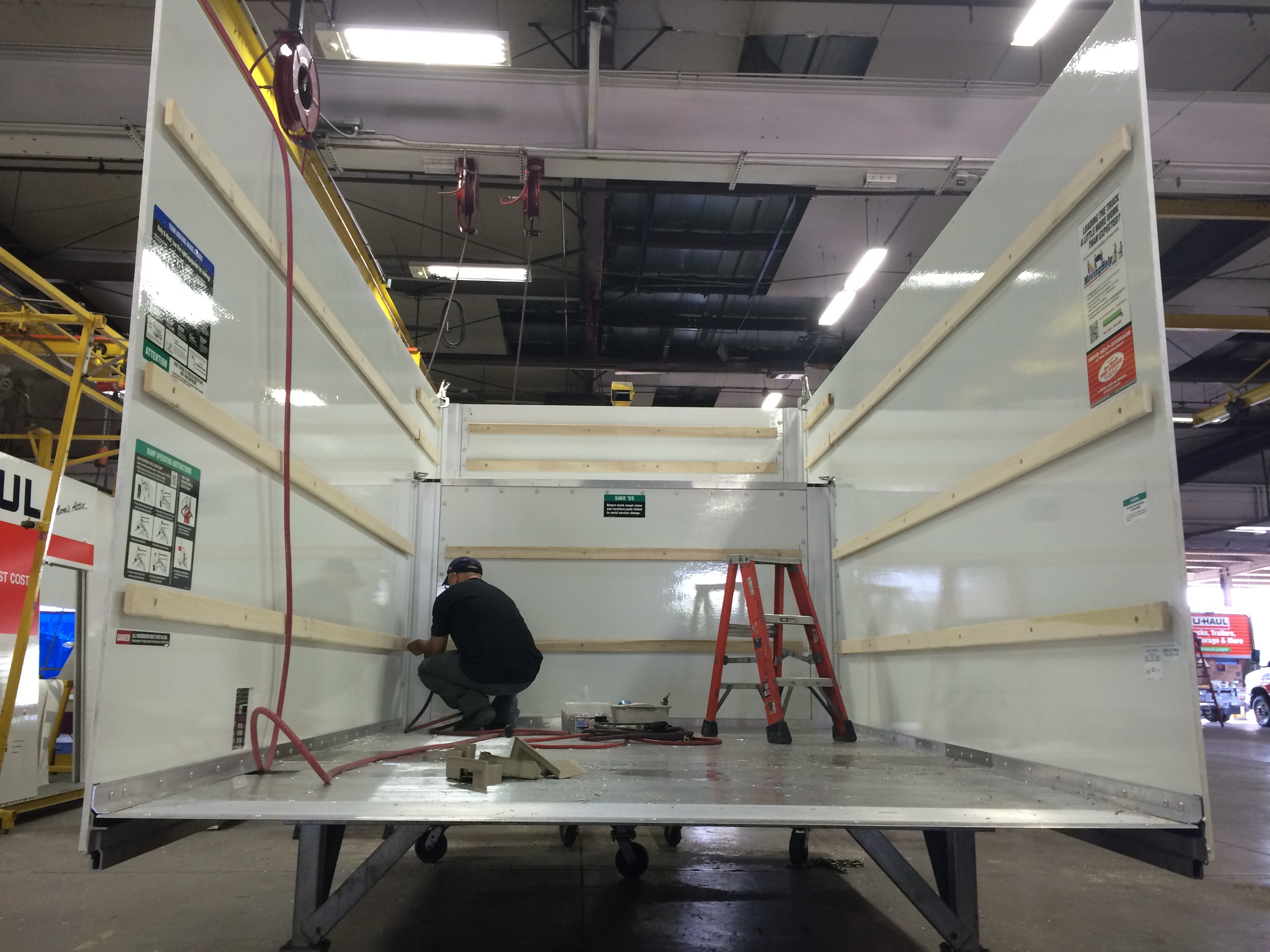 products. With this, each product is carefully thought out and designed with a purpose in mind. Before being produced and released to the public, prototypes are made and tested. This process continues repeatedly as we try to produce the best product possible, testing all possible weather events or driving scenarios. Because of the scrutiny our products undergo in this process, the outcome is always a safer, more durable and more user-friendly piece of equipment. For everything that we manufacture, we look to better quality in both the equipment but also the parts used in the manufacturing process.
So why manufacture everything in-house? “Manufacturing our own equipment allows us to set the schedules, allows us to produce the trucks and trailers in an expedited fashion — typically, we can have a truck or trailer in the field within 7-8 weeks,” explains Bill Hawthorn, Falls Plant President. Designing all our own equipment also ensures that our customers receive a product that best suits their needs, straight from the people who have over 70 years of experience serving that need. With this, they also receive a product from a company that has over 70 years of designing, testing and re-designing products, such as trailers, that we have been producing from the start.
Our goal with each and every product is to make things safer and easier for our customers which leads to constant improvement. We also have experience knowing the cost behind materials and what the manufacturing process is like for each piece of moving equipment, allowing us to better design products for our own internal needs, making products more sustainable, longer lasting and easier to make. Don Cichon, Tempe Assembly Plant President, explains that with these changes, “we can build up to four products at a time, where in the past it one, maybe two depending on what it was.” Expediting this process allows engineers to spend more time focusing on the quality of designs and in-depth testing of prototypes rather than building the equipment.
Watch the video below to hear more about the manufacturing process directly from the U-Haul team members who are designing and building the equipment
Do you have a “Made in America” U-Haul story? Let us know in the comments below!